
Garden waste permit charges across Scotland in 2026 have continued to rise, with local councils once again increasing fees, tightening permit rules and further diverging in the level of service provided to residents.
What was once a largely universal council service has now become a postcode lottery, with households paying significantly different amounts for very different levels of service depending on where in the country you reside.
In 2025, it was clear that the numbers were growing from 2024, with many councils revising their pricing and frequencies, and for most, once again in 2026, the numbers have continued to grow.
This blog explores these updated figures and highlights how they show the absence of a consistent national framework across Scotland.
2026 Price Increases Across Scotland
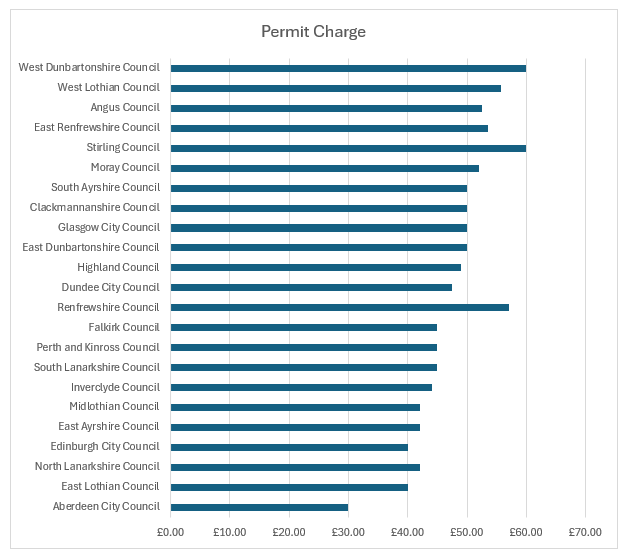
Multiple councils increased their garden waste permit charges for 2026, which continues a trend of annual rises across a wide majority of the country.
Among these, the most notable were:
- Stirling Council: £52 to £60 (+£8)
- Renfrewshire Council: £52 to £57 (+£5)
- East Lothian Council: $35 to £40 (+£5)
- West Lothian Council: £52.75 to £55.65 (+£3)
- East Renfrewshire Council: £51 to £53.50 (+£2.50)
Meanwhile some councils including Edinburgh, Highland and West Dunbartonshire retained their already existing pricing structures with no increases from the previous year.
Across Scotland, annual permit changes now generally range from around £40 to £60 depending on location.
Free Garden Waste Collections Continue to Decline
Only four councils continue to provide free garden waste collections in 2026:
- Fife
- North Ayrshire
- Shetland Islands
- Orkney Islands
The consistent reduction in these free services shows the growing financial pressures facing Scotland’s local authorities.
The Real Cost: Price Per Collection
However, annual permits costs only tell half of the story. The actual value residents are receiving depends on how many collections are provided by local authorities per year.
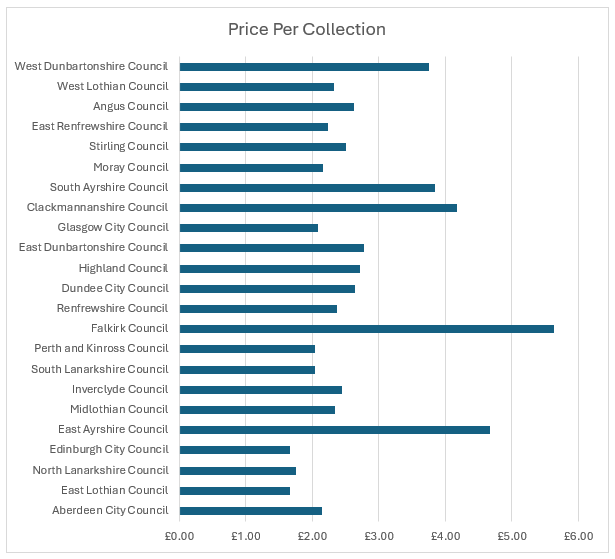
It is clear that the price per collection varies among councils:
- West Dunbartonshire: approximately £3.33 per collection
- Stirling Council: approximately £2.31 per collection
- East Lothian Council: approximately £1.54 per collection
The frequency of collections ranges from as few as 10 collections per year to as many as 26 collections per year. This means some households are paying more than double, all because they live within a different area.
These differences show the growing inconsistency in pricing and service delivery across local authorities.
Tightened Permit Rules and Administration
As well as never ending price increases, several councils have introduced stricter permit systems and operational changes in 2026.
Stirling Council now requires their residents to obtain a permit for garden waste collections, and households who don’t subscribe only receive food waste collections.
East Lothian Council have introduced a mandatory online application process as well as updated permit procedures.
Edinburgh also operates an online only permit application process.
Inverclyde Council has implemented fixed collection windows and permit per bin enforcement measures, increasing monitoring of household participation.
These changes may improve administration efficiency for councils, but they also create increasing complexity for residents attempting to navigate local collection rules.
Looking Ahead
Current trends suggest that charging schemes for garden waste will continue to expand in the next few years across councils, as it is clear they have ongoing budget issues. Therefore, it is further clear that local authorities will continue to:
- Increase annual permit charges
- Expand online only systems
- Tighten permit enforcement
- Reduce collection frequencies during winter period
- Use garden waste collections as a money-making scheme
The main challenge for councils will be balancing financial sustainability with maintaining strong recycling performance and ensuring residents receive fair value for money.
As Scotland continues to pursue ambitious environmental targets, the growing variation in garden waste services raises important questions regarding consistency, affordability and long-term sustainability across local authority waste collection systems.
The information on this page has been sourced from individual council websites. If you believe any details are incorrect or out of date, please let us know and we will investigate and update them where necessary.